
Back Flow Prevention
What is back-flow?
Back-flow prevention is becoming more and more common as the standard for keeping our drinking water system safe to protect our communities from harmful contaminates.
Back-flow occurs when water flows backwards into the public water network. An unwanted reverse flow can cause contaminants, such as harmful bacteria or chemicals to enter the water supply. This can seriously affect the quality and safety of drinking water in our communities.
What causes back-flow?
The water system is under constant pressure and this is maintained by the local council, if this constant pressure changes there is a chance that water could be drawn back into our network from various properties / buildings.
The two main causes of backflow are:
1. A sudden drop in pipe pressure, which siphons water back into the network.
2. If the water supply is directly connected to equipment, such as a boiler or a private bore which is at a higher pressure, water is forced back into the network.
What is a back-flow prevention device?
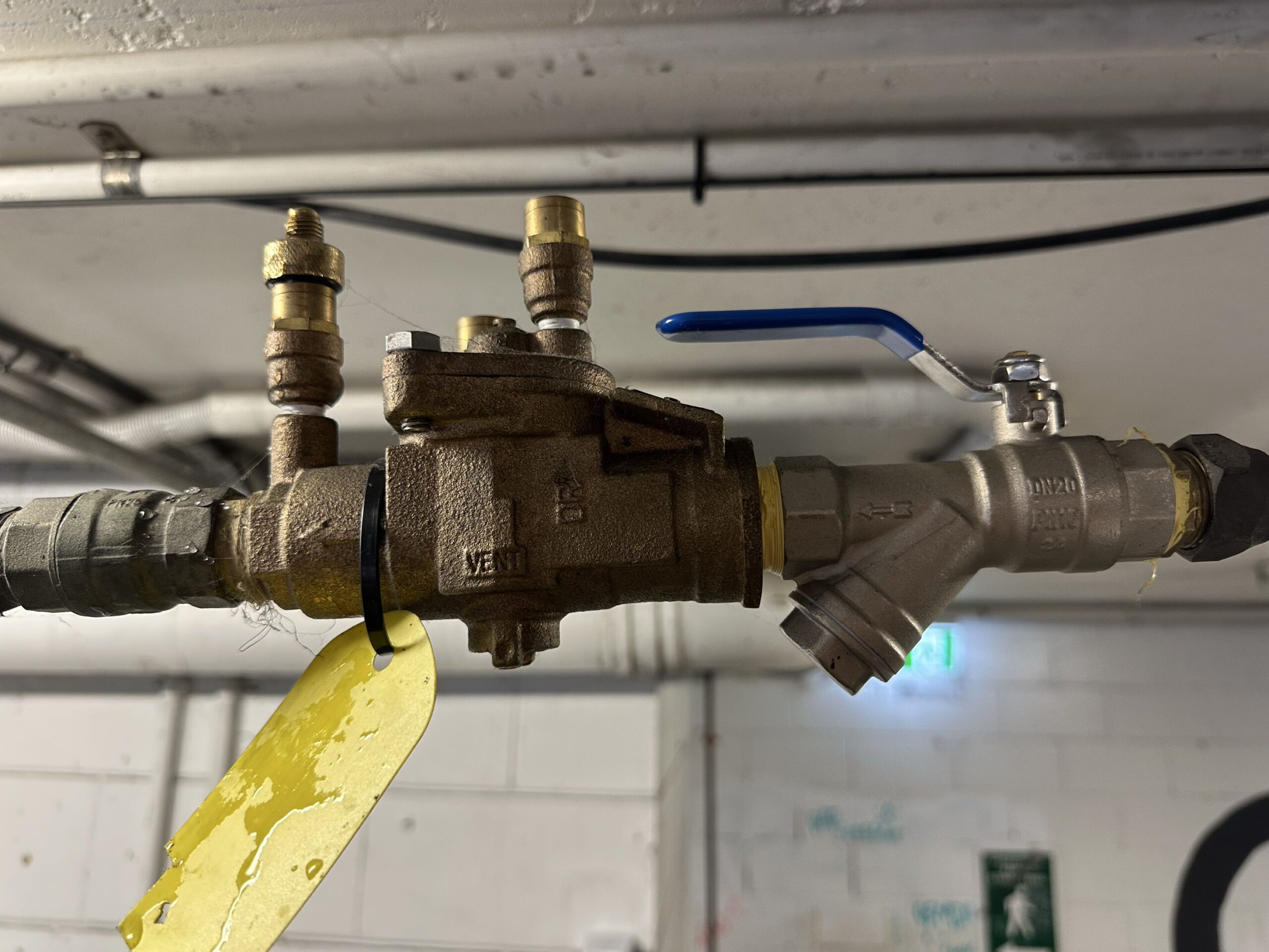
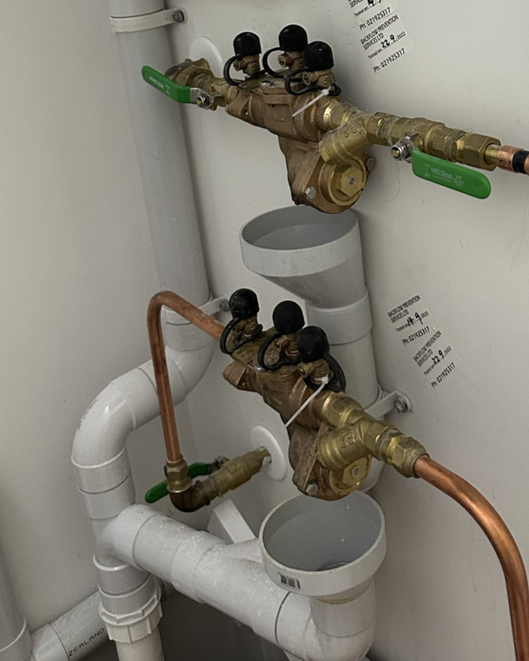
A back-flow prevention device protects the water supply from potential contamination. The type used (e.g. reduced pressure zone, double-check valve) depends on the degree of risk. These devices are installed either on the water meter (or close to the property boundary) or at the source of a potentially hazardous plant or equipment (eg – Commercial plant rooms with dosing systems, commercial dishwashers and coffee machines)
Your responsibilities
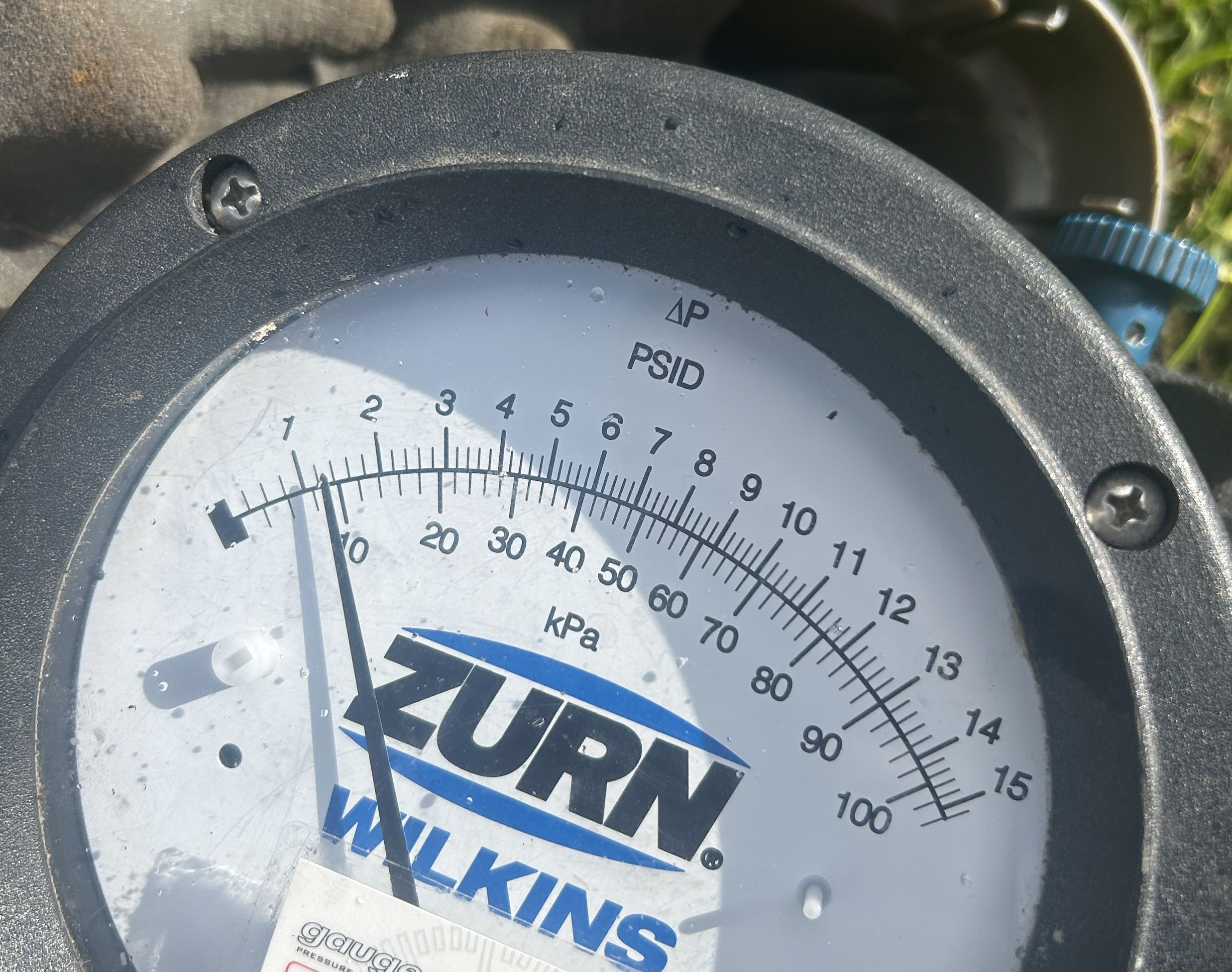
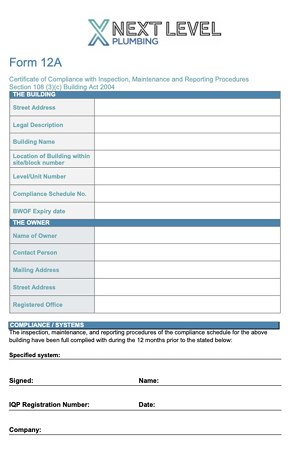
It is your duty to ensure you get your back-flow device tested each year to meet your bwof requirements.
If your device fails the annual test, you will need to make the necessary repairs and submit the certified documentation. You are legally responsible for protecting the water on your property and ensuring that you don’t contaminate the public water supply.


